Introduction
As parents, we are constantly seeking ways to equip our children with the skills they need to navigate the complexities of life. Emotional resilience is one of the most critical attributes a child can develop. Aikido, a unique form of martial arts that emphasizes harmony and self-control, offers a powerful framework for cultivating emotional strength in children. In this article, we will explore how Aikido can help children develop calmness, confidence, and a deeper understanding of their emotions. Specifically, we will discuss ‘How Aikido Helps Children Develop Emotional Resilience’.
Benefits of Aikido for Children
Physical Fitness and Coordination
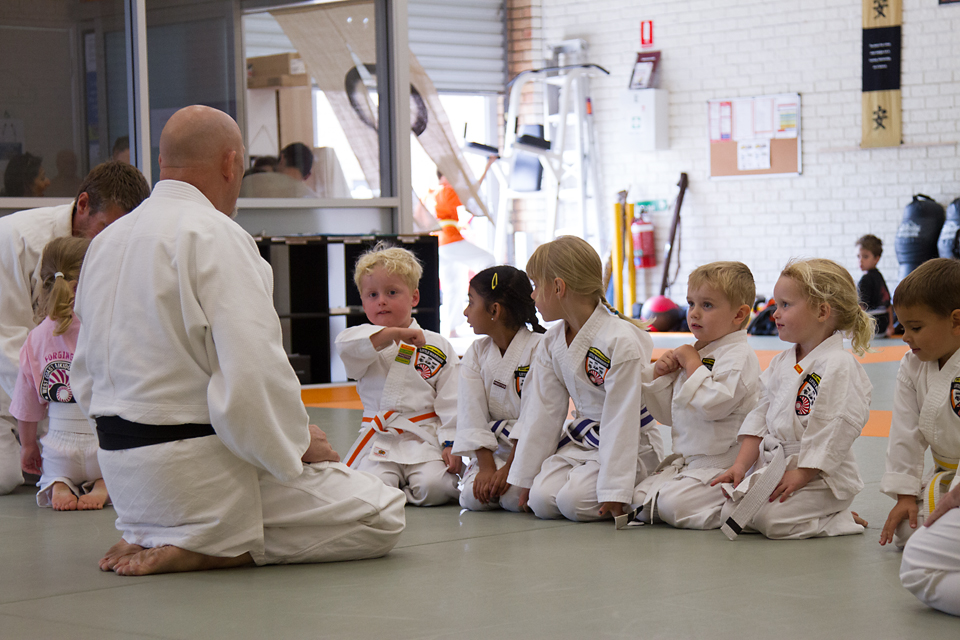
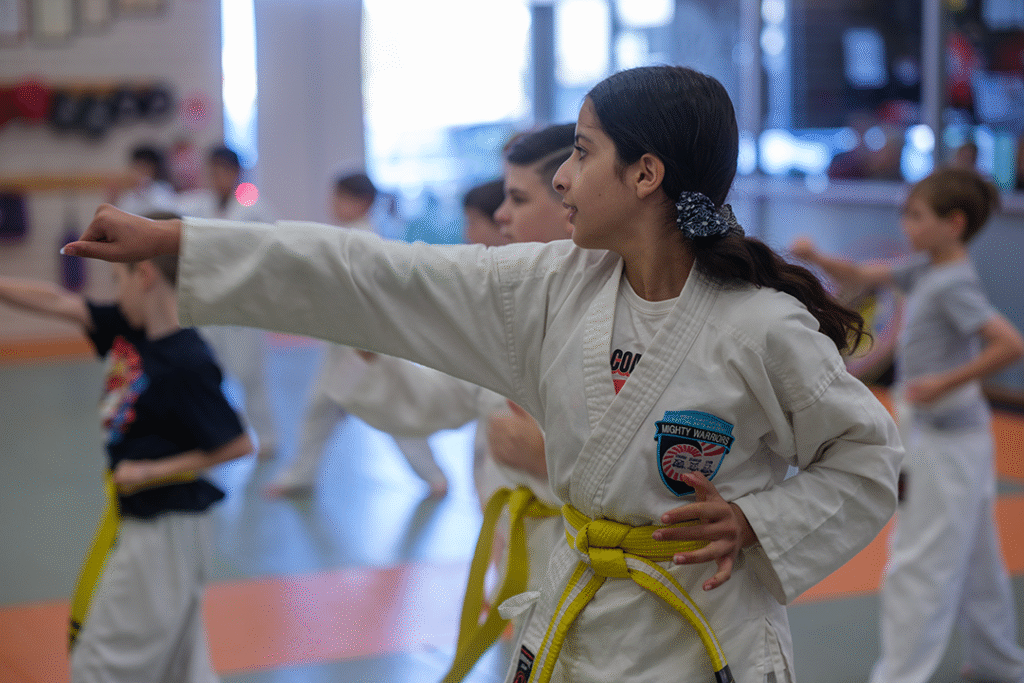
Aikido is not just about combat techniques; it is a comprehensive physical activity that enhances children’s fitness levels. Regular practice improves strength, balance, and coordination. Engaging in Aikido helps children develop their gross motor skills through various movements, such as rolling, turning, and falling safely. These physical activities not only contribute to overall health but also enhance children’s body awareness, which is crucial for their development.
Moreover, as children practice Aikido, they learn the importance of physical fitness in maintaining a healthy lifestyle. They begin to appreciate the connection between physical activity and mental well-being, fostering habits that can lead to lifelong fitness. By integrating Aikido into their routine, children experience increased energy levels, improved mood, and better overall health.
How Martial Arts Builds Confidence in Kids
Confidence is a cornerstone of emotional resilience, and Aikido provides a structured environment where children can build it. As they progress through different levels of training, they learn new techniques and earn belts that signify their achievements. This journey of skill acquisition instills a sense of accomplishment in children, encouraging them to take on new challenges and believe in their abilities.
Furthermore, Aikido teaches children how to handle confrontations without resorting to aggression. By learning to deflect attacks and maintain control of situations, they gain a sense of empowerment that translates into everyday interactions. This newfound confidence not only enhances their self-esteem but also impacts their social relationships positively, allowing them to engage more effectively with peers.
Enhancing Focus and Discipline
Aikido requires concentration and discipline, both of which are essential traits for emotional resilience. During practice, children must focus on their movements, the movements of their partners, and the instructions given by their instructors. This level of concentration can help children in their academic pursuits as well, leading to improved attention spans and better performance in school.
Additionally, the principles of discipline learned through Aikido extend beyond the dojo. Children learn to set goals—both short-term and long-term—and work steadily towards achieving them. This ability to stay committed to a task despite challenges builds perseverance, helping them to tackle difficulties in various aspects of life with a positive mindset.
Building Emotional Awareness
Understanding Emotions through Aikido Principles
Aikido emphasizes the importance of emotional awareness, teaching children to recognize and understand their feelings. Through role-playing and simulated scenarios, young practitioners learn how to identify their emotions and respond to them constructively. This understanding forms the basis for emotional regulation, a crucial aspect of resilience.
Moreover, as children practice Aikido, they learn to recognize the emotional states of others. This awareness fosters compassion and empathy, allowing them to relate to their peers’ feelings effectively. Such emotional intelligence is vital in developing strong interpersonal relationships and navigating social situations with ease.
Empathy and Respect for Others
Another core component of Aikido is the principle of respect for others. Practicing martial arts in a cooperative environment encourages children to value their partners and opponents alike. They learn that every encounter can be an opportunity for growth and understanding, which deepens their appreciation for teamwork and collaboration.
Through sparring and partner drills, children are taught to treat others with kindness and respect, even in competitive situations. This lesson in empathy is invaluable; it enables children to build strong friendships, resolve conflicts amicably, and contribute positively to their communities.
Developing Self-Reflection Skills
Self-reflection is a crucial skill that Aikido instills in children. After each class, practitioners are often encouraged to reflect on their performance, what they learned, and how they can improve. This practice of self-assessment fosters a growth mindset, allowing children to view challenges as opportunities rather than obstacles.
Moreover, self-reflection helps children understand their emotional reactions. By analyzing their responses to various situations, they can develop strategies to manage their emotions better in the future. This process not only enhances their emotional intelligence but also empowers them to make thoughtful choices in their daily lives.
Techniques for Managing Stress
Mindfulness Practices in Aikido
Aikido incorporates mindfulness techniques that are vital for managing stress. Practitioners learn to be present in the moment, focusing on their movements and their breathing. This state of mindfulness is beneficial for children, as it helps them become more aware of their thoughts and feelings, reducing anxiety and promoting a sense of calm.
Mindfulness practices taught in Aikido can be applied outside the dojo as well. Children learn to take a moment to breathe deeply and center themselves in challenging situations, providing them with tools to manage stress effectively in their daily lives. This ability to pause and recalibrate is an invaluable asset that strengthens their emotional resilience.
Breathing Techniques for Calmness
Breathing is a fundamental element in Aikido. Children learn specific breathing techniques that help them maintain focus during practice and combat. Controlled breathing calms the nervous system, which can be particularly helpful when faced with stressful situations. By mastering these techniques, children develop the ability to anchor themselves during moments of anxiety or distress.
Incorporating these breathing exercises into daily routines can further enhance their emotional regulation. Whether during a stressful exam or a social interaction, children can use these techniques to ground themselves, leading to a more composed and confident response.
Applying Aikido Skills in Everyday Life
The skills learned through Aikido practice extend far beyond the dojo. Children can apply the principles of self-control, respect, empathy, and mindfulness in their everyday interactions. For example, when confronted with conflict, they can utilize the techniques of de-escalation they learned in Aikido, opting for peaceful resolutions rather than aggressive confrontations.
Moreover, the confidence and discipline fostered through Aikido training empower children to face challenges head-on. Whether it’s tackling a difficult school project or navigating social dynamics, they learn to approach problems with a calm and resilient mindset. This holistic application of Aikido principles fosters well-rounded individuals capable of thriving in diverse situations.
Conclusion
Aikido is a powerful tool for parents seeking to nurture emotional resilience in their children. Through its unique combination of physical fitness, emotional awareness, and stress management techniques, Aikido equips children with the skills they need to navigate life’s challenges successfully. By fostering confidence, empathy, and mindfulness, Aikido not only enhances children’s martial arts abilities but also prepares them for a lifetime of emotional well-being. As parents, investing in Aikido can lead to profound benefits that extend far beyond the dojo, shaping children into resilient and compassionate individuals.
FAQs
What age is appropriate for children to start Aikido?
Most Aikido schools offer classes for children starting as young as 5 years old. It’s essential to find a class that matches their developmental stage and interest.
Will Aikido help my child with bullying?
Aikido teaches conflict resolution and self-defense techniques that promote calmness and control, empowering children to handle bullying situations more effectively.
How often should children practice Aikido to see benefits?
Regular practice, ideally two to three times a week, can help children develop skills and reap emotional and physical benefits over time.
Are there any risks involved with practicing Aikido?
Like any physical activity, there are risks associated with Aikido, such as minor injuries. However, a well-structured class emphasizes safety and proper techniques to minimize risks.
Can Aikido be practiced alongside other sports or activities?
Yes, Aikido can complement other sports and activities. The discipline, focus, and physical fitness gained from Aikido can benefit performance in various athletic pursuits.